
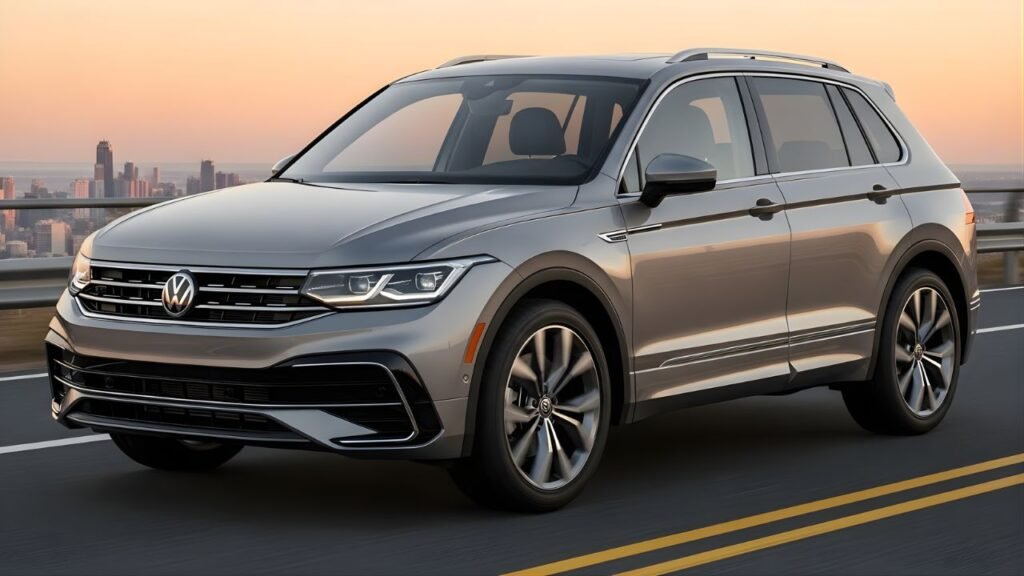
Volkswagen Tiguan: The Tiguan is a compact SUV that’s a happy blend of city‑friendly size and small‑town practicality. It’s roomy enough for groceries, golf clubs, or a kid’s baseball gear, but compact enough to park easily downtown or in crowded school lots. On a highway road trip, you’ll appreciate the comfortable ride and decent fuel economy for a vehicle this size. The Tiguan has been redesigned for 2026 with better tech and safety than before, making it a real option for families and commuters alike.
Engine Options and Fuel Efficiency
Under the hood you get a 2.0‑liter turbocharged four‑cylinder no matter the trim, and most buyers report that it’s eager enough for everyday driving. The base engine makes about 201 hp, which is solid for city merging or highway passing. For those who like a bit more pep, the top SEL R‑Line Turbo bumps power to around 268 hp, so steep passes or loaded trips don’t feel as sluggish.
Fuel economy in the real world usually lands in the mid‑20s mpg combined. Front‑wheel drive Tiguan models might hit close to 29 mpg combined, while all‑wheel drive trims drop a few points. In town traffic, especially with a turbo model and lots of stop‑and‑go, you might see lower numbers — so keep that in mind for your budget.
 2026 Kia Camper Van Review: Modern Design Meets Ultimate Comfort for Families
 Why the 2026 Ford Mustang GT Is the Ultimate Commuter-Friendly Sports Car!
 2026 Mitsubishi L200 Review: The Perfect Family-Friendly Pickup You Didn’t Know You Needed!
Trims and What You Get
The 2026 Tiguan lineup starts with the S trim, which gives you the essentials — a big digital display, adaptive headlights, and modern safety gear — at around $30,800 MSRP. Step up to the SE and you get nicer interiors, power liftgate, mood lighting, and more tech. The SE R‑Line Black adds sportier looks with special trims and a bit more style flair. The range‑topping SEL R‑Line Turbo brings premium leather, massage seats, a superb sound system, and bigger wheels.
Prices do vary by dealer, incentives, and options, but you’re generally looking from around $30k to the low $40k range before tax and fees. That’s solid territory for this class — competitive with rivals like the Honda CR‑V or Mazda CX‑5.
Safety and Tech That Matter
One of the Tiguan’s strengths is safety tech that’s standard across trims. You get adaptive cruise control, blind‑spot monitoring, automatic emergency braking, and lane‑keeping assist right from the base model. These aren’t just extras — they help during long commutes and make highway driving less stressful. Many trims also have forward‑collision warning and rear cross‑traffic alert.
The infotainment setup is easy to use with a big touchscreen that pairs wirelessly with your phone for directions and music. SE and higher trims let you upgrade to larger screens, premium sound, heated seats, and wireless charging — useful if you’re juggling phones, tablets, and passengers.
 The Ultimate 2026 Chevrolet Silverado Guide: Features, Price, and Pros You Can’t Ignore
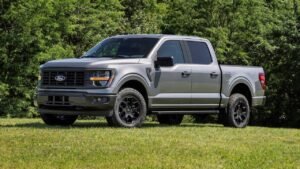 This Is Why the Ford F-150 Still Dominates Every Other Truck
 2026 GMC Sierra 1500 Review: The Ultimate Family-Friendly Pickup You Can Drive Every Day!
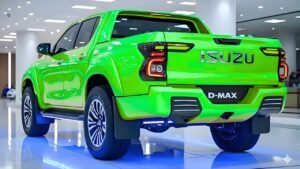 Why the 2026 Isuzu D-Max is the Best Daily Commuter Pickup of the Year!
Pros and Cons in Everyday Life
You’ll love the Tiguan if you want something capable but not huge. The cabin feels quality for the money, and visibility out the windows is better than some competitors. Fuel economy is fair for a turbo SUV, and the driver assists give peace of mind on long runs or school‑rush traffic.
On the flip side, some owners note the engine feels a bit slow in heavy traffic unless you step up to the turbo model, and fuel economy isn’t fantastic in city grids. Some dealer forums mention waiting for parts or tech glitches — not common, but worth checking with your service team. These things aren’t deal‑breakers, just reality for a compact SUV.
Step‑by‑Step Guide to Buying and Test‑Driving
So you’re ready to check one out. First, hit the official VW site to build and price your Tiguan with trims and options you want — makes comparing easier than walking dealer lots blind. vw.com
Next, call local dealerships to see who has your chosen trim in stock. Ask about financing rates, lease deals, and any incentives. If you commute a lot or do seasonal trips, talk about all‑wheel drive and turbo packages too.
When you test‑drive, bring a snack — really. Take it on both city streets and a stretch of highway. See how it feels merging with traffic, how comfortable the seats are after 30–40 minutes, and how easy the touchscreen and controls are to use.
Finally, check the owner’s manual or ask the service department about maintenance costs (oil change intervals, recommended tires, brake inspections). That makes budgeting for fuel and upkeep easier over the first few years.
Final Thoughts
The 2026 Tiguan isn’t perfect, but it’s a strong pick if you want a small SUV that’s roomy, safe, and enjoyable for both daily errands and longer hauls. Take your time shopping, choose a trim that fits your lifestyle, and make sure you’re happy with how it feels behind the wheel — that’s the heart of any smart car purchase. For more details on safety or to compare trims in depth, check out the official Volkswagen Tiguan page or CarGurus’s trim breakdown to see what each version brings to the table.
