Top 10 Places to Visit in the Northern USA : The first time I drove into Glacier National Park on a September morning, the road was empty, the peaks were dusted with fresh snow, and a moose was standing ankle-deep in a roadside lake like it owned the whole state. And honestly? It did.
The northern United States is one of the most underestimated travel regions on the planet. While everyone rushes to California or Florida, the northern tier — from the misty peaks of the Pacific Northwest to the wild shores of the Great Lakes, from the jagged spine of the Rockies to the century-old streets of New England — quietly delivers some of the most breathtaking, most livable, most genuinely American experiences you will ever have.
This guide covers the top 10 places to visit in northern USA — destinations that reward curiosity, repay slow travel, and give you something real to bring home beyond photographs. Whether you are road-tripping through the Rockies, chasing fall foliage in Vermont, or eating your way through Chicago’s neighborhoods, these are the places that make the northern half of this country unforgettable.




Northern USA Destination Quick Reference
| Category | Details | Notes & Tips |
|---|---|---|
| Best Time to Visit | Late spring through early fall for most; winter for ski destinations | September–October is the sweet spot across the region |
| Getting There | Major hubs: Chicago O’Hare, Seattle-Tacoma, Boston Logan, NYC JFK, Minneapolis-St. Paul | Book 8–10 weeks ahead for best domestic fares |
| Visa Requirements | Standard US entry rules apply; ESTA for eligible nationalities | Check travel.state.gov before booking |
| Local Currency | USD everywhere | Small bills handy for tips, farmers markets, and parking meters |
| Language | English; some French influence in northern New England and Minnesota communities | |
| Safety Level | Generally high; standard urban precautions in city neighborhoods | National parks are very safe; be bear-aware in wilderness areas |
Why the Northern USA Should Be Your Next Big Trip
People tend to write off the northern states as fly-over country or assume the good stuff only happens on the coasts. That is one of the great misconceptions in American travel.
The northern USA is where you find the country’s most dramatic wilderness — Glacier, Olympic, and Yellowstone national parks are all here. It is where you find the architectural swagger of Chicago, the creative energy of Seattle, and the stubborn, gorgeous independence of places like Missoula, Montana and Burlington, Vermont. It is where the seasons actually mean something, where fall turns entire hillsides into fire, and where winter transforms landscapes into something so quiet and beautiful it almost feels wrong to talk loudly.
The driving, too, is extraordinary. The northern USA is road-trip country. The distances are real but the rewards are proportional, and some of the most memorable miles in American travel happen between destinations — on empty Montana two-lanes, on the switchbacks of the Going-to-the-Sun Road, along the Lake Superior shoreline in northern Minnesota.




Best Time to Visit the Northern USA: Season by Season
| Season | Best Destinations | Crowd Level | Travel Cost |
|---|---|---|---|
| Spring (Apr–May) | Pacific Northwest, New England, Great Lakes | Low to Moderate | Shoulder deals; some mountain roads still closed |
| Summer (Jun–Aug) | Glacier, Yellowstone, Alaska, all national parks | High | Peak pricing; book months ahead |
| Fall (Sep–Oct) | New England, Finger Lakes, Cascade Range, Upper Midwest | Moderate | Some of the best value; peak foliage in October |
| Winter (Dec–Feb) | Jackson Hole, Lake Tahoe area, ski towns of Montana and Idaho | Moderate | Premium at ski resorts; cheap in non-ski destinations |
The honest answer: September is the single best month to travel the northern USA. National park crowds drop sharply after Labor Day, prices fall, the light turns golden, and in the Rockies and New England alike, the landscape shifts into something that feels almost impossibly beautiful. If you have one month of flexibility, use it in September.
Avoid Yellowstone and Glacier in July and August unless you book accommodation six months ahead and arrive at park entrances before 8am. The parks are magnificent but the crowds at peak summer can genuinely diminish the experience.




Top 10 Places to Visit in the Northern USA
1. New York City, New York
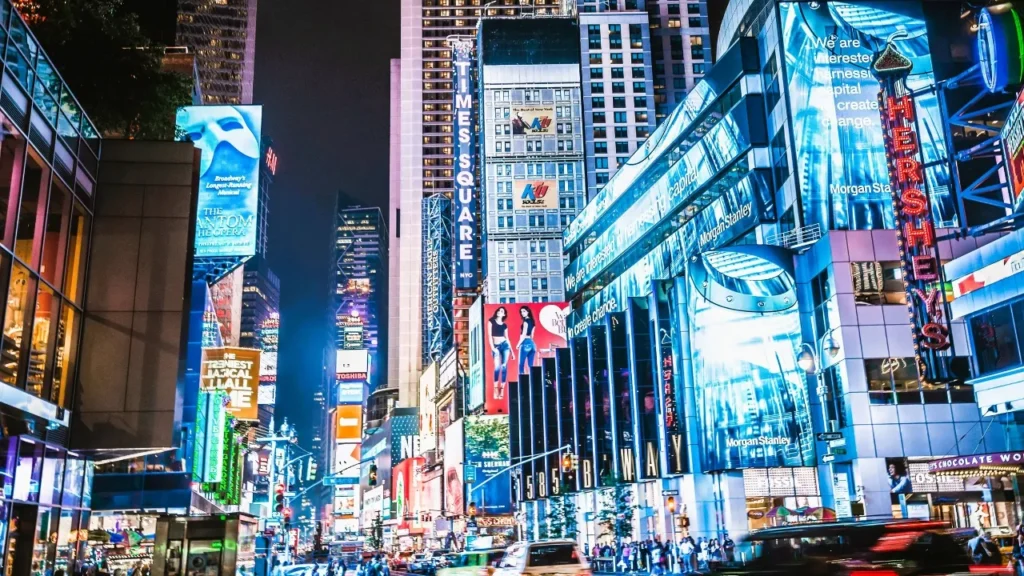
No list of top places to visit in northern USA skips New York, and rightly so. It is the most layered, most surprising, most relentlessly alive city in the country.
The mistake most first-timers make is spending too much time in Midtown. Times Square is worth fifteen minutes — enough to absorb the spectacle, snap a photo, and move on. The city’s real personality lives in its neighborhoods.
Walk across the Brooklyn Bridge first thing in the morning, before 8am, and you will have a view most people never get. Eat your way through the Lower East Side’s Jewish delis, Queens’ Flushing neighborhood for some of the best Chinese and Korean food in America, and the Bronx’s Arthur Avenue for Italian markets that feel transplanted directly from Naples.
The subway unlocks everything. A single MetroCard tap connects you from the Metropolitan Museum of Art on Fifth Avenue to Coney Island’s boardwalk in Brooklyn. The MoMA, the Whitney, the Tenement Museum, the New York Public Library’s Rose Main Reading Room — plan three to five days minimum and accept that you will leave wanting more.
Don’t miss: The High Line at golden hour, Smorgasburg food market on weekend mornings (seasonal), and a late-night slice from any no-frills pizzeria without a line out the door.
2. Chicago, Illinois
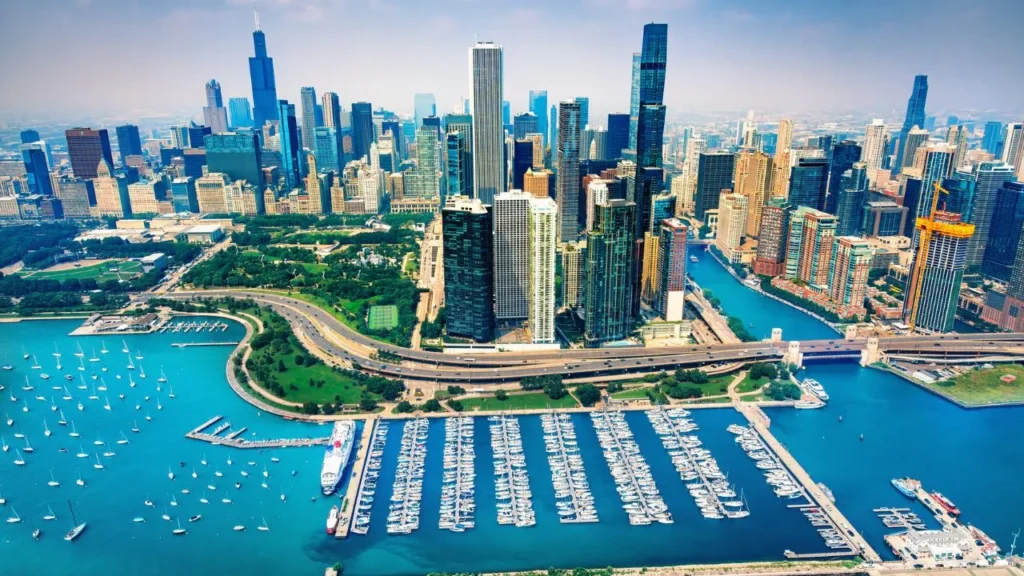
Chicago is America’s most underrated major city. It has the architecture, the food scene, and the cultural institutions of a world capital, without the exhaustion and expense of New York or Los Angeles.
The Loop’s skyline from the lakefront path is one of the great urban views in the world — and it is free. Rent a Divvy bike and ride the Lakefront Trail from the Museum Campus north through Lincoln Park and Wrigleyville on a weekend morning and you will understand immediately why Chicagoans are so aggressively proud of their city.
The food argument in Chicago is real and heated. Deep-dish pizza is the iconic order (Lou Malnati’s and Pequod’s are the serious contenders; Giordano’s is the tourist default). But the city’s actual daily food culture runs through the taquerias of Pilsen, the Polish bakeries of Avondale, the Vietnamese spots along Argyle Street, and the James Beard Award-winning restaurants concentrated in the West Loop.
The Art Institute of Chicago is genuinely one of the world’s great art museums — plan at least three hours and do not skip the Thorne Miniature Rooms, which are bizarre and wonderful in equal measure. The Chicago Architecture Center runs river boat tours that are worth every dollar.
What aspect of Chicago surprises visitors most? Drop your answer in the comments — I’ve been asking this question for years and the answers are always revealing.
3. Glacier National Park, Montana
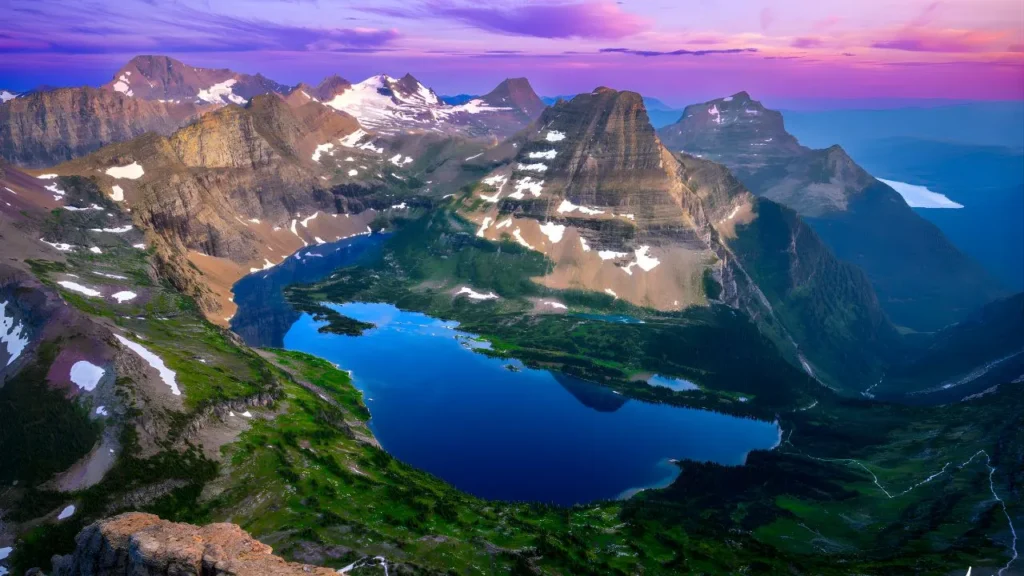
Glacier is what happens when a national park takes the brief seriously. One million acres of Rocky Mountain wilderness, 700 miles of hiking trails, 200-plus named lakes, and the Going-to-the-Sun Road — a 50-mile mountain highway that engineers spent eleven years building and that remains one of the most dramatic drives in America.
The park is genuinely remote and that remoteness is part of the appeal. The closest major airport is Missoula, about two hours south, or Calgary in Canada if you are entering from the north. Rent a car. You need a car here.
The Many Glacier area in the northeastern section of the park is where most serious hikers focus — the trails to Grinnell Glacier and Iceberg Lake offer a combination of alpine scenery and wildlife viewing (grizzlies, mountain goats, bighorn sheep) that very few places on earth can match. Book the Many Glacier Hotel or Swiftcurrent Motor Inn many months ahead — they fill up the same morning reservations open.
The glaciers themselves are melting at a documented and sobering pace. There were 150 named glaciers in the park in 1910. Today, fewer than 30 remain. Visiting now is, in part, a form of witnessing.
Go-to-the-Sun Road timing: The full road typically opens in late June and closes again in mid-October due to snow. Vehicle reservations are required from late May through mid-September — check the park’s website and book as soon as the reservation window opens.
4. Seattle, Washington
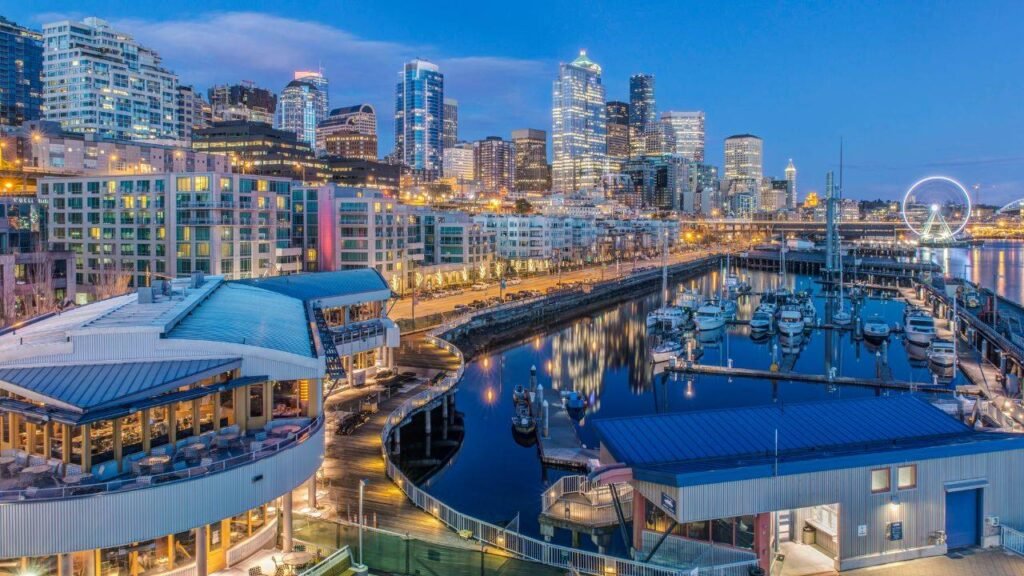
Seattle operates on its own frequency. The city is simultaneously a tech hub of global significance and a place where people still drive an hour on weekends to pick wild mushrooms. It is rainy and introspective and creative in ways that feel earned rather than performed.
Pike Place Market is the obvious starting point and genuinely worth the visit — it is one of the oldest continuously operating public markets in the US (open since 1907) and the fish, flowers, cheese, and prepared food stalls are excellent. Arrive before 10am to avoid the weekend crowds. The original Starbucks is here and the line is always long; the coffee at any of a dozen independent roasters nearby is better.
The neighborhoods are where Seattle’s personality comes through. Capitol Hill for the nightlife, art galleries, and queer culture that has long defined the city’s creative identity. Fremont for Sunday flea markets and the Fremont Troll sculpture under the Aurora Bridge. Ballard for Scandinavian heritage, excellent oyster bars, and some of the city’s best brunch spots.
Day trips from Seattle are extraordinary. The Olympic Peninsula — a short ferry ride across Puget Sound — contains old-growth rainforest, wild Pacific coastline, and the Olympic Mountains, all within a one-day drive. Mount Rainier National Park is 90 miles south and offers wildflower meadows and glaciated peak views that are worth the drive even in shoulder season.
Practical note: Seattle’s rainfall reputation is slightly exaggerated — the city gets less annual rainfall than New York or Miami. What it does get is consistent grey drizzle from November through March. Pack a waterproof layer and you will be fine.
5. Yellowstone National Park, Wyoming/Montana/Idaho
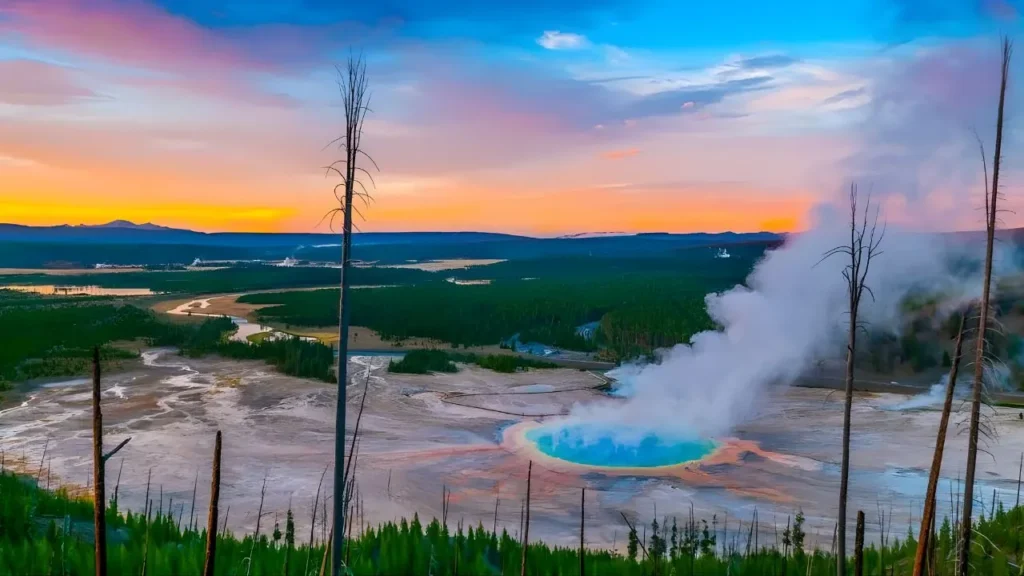
Yellowstone is the world’s first national park, established in 1872, and it still does things no other place on earth does. The geothermal activity alone — the geysers, the hot springs, the bubbling mud pots, the fumaroles releasing steam from the volcanic caldera beneath — would make the park worth visiting. Add in the wildlife density and you have something truly rare.
Old Faithful is the famous geyser and performs reliably every 90 minutes or so, but it is far from the most dramatic feature in the park. The Grand Prismatic Spring — a 370-foot-wide hot spring with rings of vivid orange, yellow, and green caused by heat-loving bacteria — is the most photographed geothermal feature in the world from the air, and it is almost as spectacular at ground level.
Wildlife in Yellowstone is abundant and visible in ways that shock first-time visitors. The Lamar Valley in the park’s northeast corner is the best place in the continental United States to see wolves — the reintroduced wolf packs have made the valley their home and wildlife watchers with spotting scopes gather at dawn to track them. Bison traffic jams on the park roads are a genuine logistical reality. Bears are regularly spotted in the Hayden Valley.
Plan for at least three nights inside the park. Day-tripping from Jackson Hole or Cody means spending a significant portion of your time driving. The park is 3,472 square miles — the size of Rhode Island and Delaware combined.
6. Boston, Massachusetts
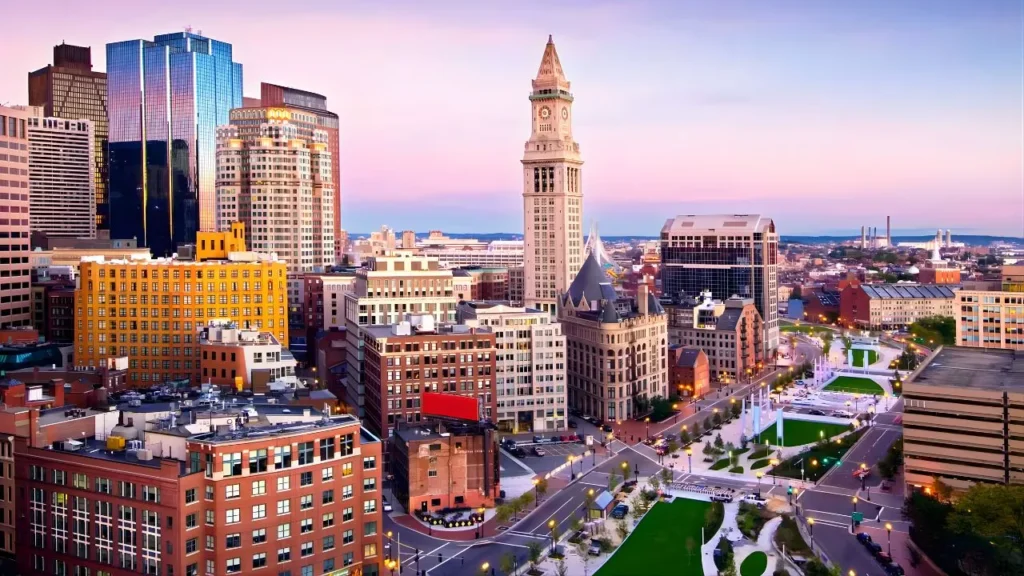
Boston is the oldest major city in the United States and it wears its history without being precious about it. The Freedom Trail — a 2.5-mile red-brick path through downtown that connects 16 significant Revolutionary War sites — is one of the great self-guided urban history walks in the country, and it is free.
But Boston rewards the traveler who goes off-trail too. The North End is Boston’s Italian-American neighborhood, dense with bakeries, pasta restaurants, and the Old North Church where Paul Revere’s signal lanterns hung. Grab a cannoli from Mike’s Pastry or Modern Pastry (the debate between these two establishments is ongoing and serious) and eat it on the waterfront.
Cambridge, across the Charles River, has its own distinct identity. Harvard Square is worth an afternoon even if you have no connection to the university — the used bookstores, the street performers, and the mix of students and locals give it an energy that feels different from anywhere else in New England. MIT’s campus nearby has open galleries and architecture worth exploring.
For day trips, Salem (30 minutes north by commuter rail) has moved far beyond its witch trial history to become a genuinely interesting historic port city. Provincetown at the tip of Cape Cod is one of New England’s most welcoming and visually striking small towns.
Fall timing: Boston in October is extraordinary. The foliage peaks in mid-to-late October, the weather is crisp and clear, and the city’s sports culture is in full swing with baseball playoffs and football season creating an atmosphere that is specific to this city.
7. Olympic National Park, Washington
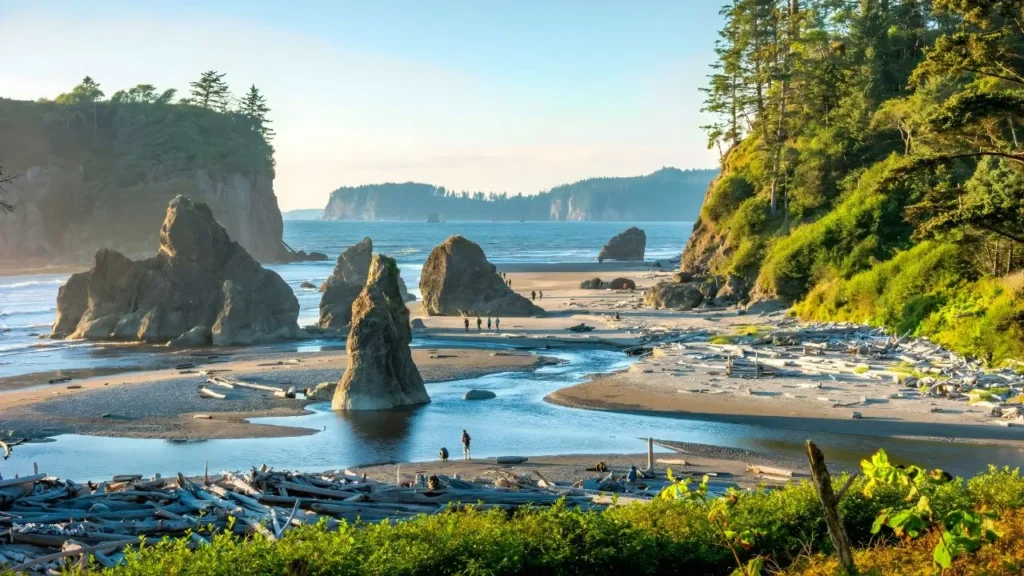
Olympic is the national park that most Americans have never visited and most people who have visited call the most surprising park in the system. It contains three completely distinct ecosystems — temperate rainforest, rugged Pacific coastline, and glaciated mountain peaks — within the same park boundary.
The Hoh Rain Forest in the park’s western interior receives up to 14 feet of rainfall annually, making it one of the few temperate rainforests in the world. The trail through the Hoh is relatively flat and accessible, and the moss-draped maples and towering Sitka spruce create a light and atmosphere that feels genuinely otherworldly.
The coastal strip — accessed at Rialto Beach, Ruby Beach, and a handful of other pullouts along Highway 101 — is wild Pacific shoreline at its most dramatic. Sea stacks rise from the surf, tidal pools hold starfish and anemones, and at low tide you can walk beaches that are genuinely empty for miles.
The mountains — accessed from the eastern side of the park near Port Angeles — offer high-alpine hiking in July and August when the meadows are in full bloom.
Getting there: Olympic is on the Olympic Peninsula, accessible by ferry from Seattle to Bainbridge Island and then by car. A loop around the peninsula on Highway 101 covers all three ecosystems and works perfectly as a two-to-three day road trip.
8. Vermont and New Hampshire — New England Fall Foliage
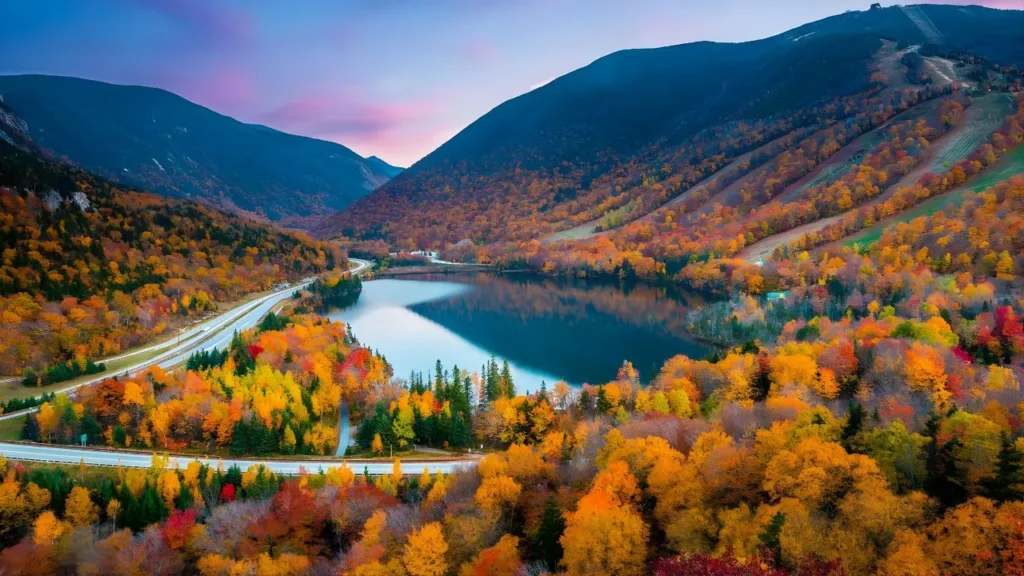
Choosing a single city or park in northern New England undersells the experience. The fall foliage of Vermont and New Hampshire is best understood as a regional event rather than a single destination — and it is one of the most genuinely beautiful natural spectacles in North America.
Peak color runs from early October in the higher elevations of the White Mountains to mid-to-late October in the valleys and Lake Champlain region of Vermont. The color sequence — starting with the maples turning orange and red at higher altitudes and working downhill over three to four weeks — means that if you have flexibility, you can chase the peak across several weeks.
The most scenic drives: Route 100 through Vermont’s Mad River Valley, the Kancamagus Highway through the White Mountains of New Hampshire (free and spectacular, especially the Swift River Canyon), and Vermont Route 9 between Brattleboro and Bennington.
The small towns are the heart of it. Stowe, Woodstock, and Grafton in Vermont. North Conway and Jackson in New Hampshire. These are towns with covered bridges, village greens, general stores that still sell bulk penny candy, and farms where you can pick apples and drink cider while looking at hills that have turned entirely red and gold.
Book early: Fall foliage is the most in-demand travel season in New England. Inns and B&Bs in Stowe and Woodstock book out by July for October weekends. If you are flexible on dates, look at weekdays in the last two weeks of October — beautiful foliage, significantly cheaper rooms.
9. Minneapolis-St. Paul, Minnesota
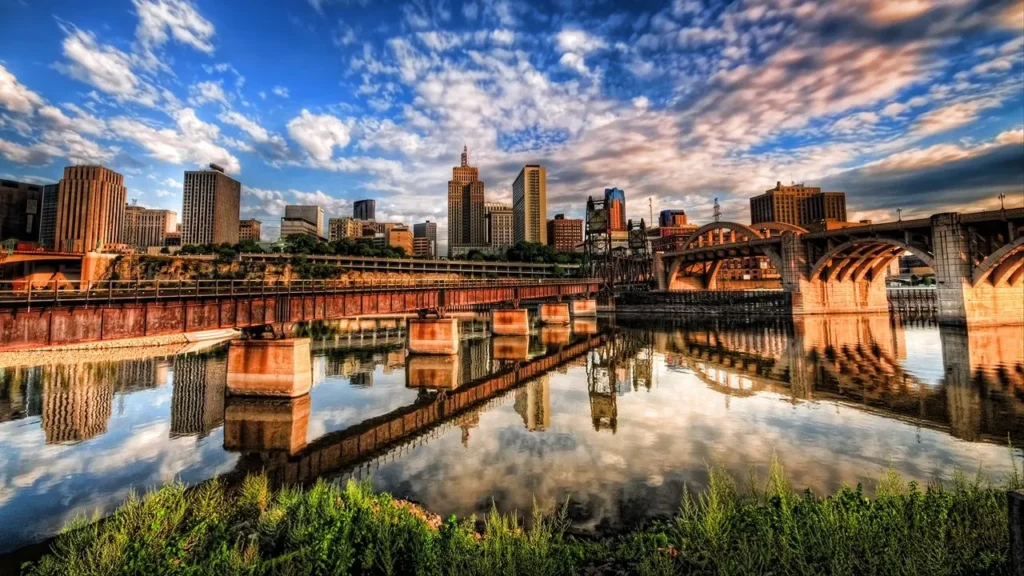
The Twin Cities are consistently ranked among the most livable cities in America, and they are consistently overlooked by travelers who should be paying attention.
Minneapolis has more theater seats per capita than any American city except New York. It has a skyway system connecting 80 city blocks of downtown (genuinely useful in January when temperatures hit -20°F). It has the Walker Art Center and the Minneapolis Sculpture Garden — home of Claes Oldenburg’s iconic Spoonbridge and Cherry — which together constitute one of the best contemporary art experiences in the Midwest.
The food scene is driven partly by the city’s large Somali and Hmong communities, which have created East African and Southeast Asian food corridors that rival anything in more celebrated food cities. The Midtown Global Market and the shops along Lake Street give you a window into a Minneapolis that most travel writing ignores.
In summer, the Chain of Lakes — a series of interconnected urban lakes with 13 miles of paved trails — fills with cyclists, runners, paddleboarders, and open-water swimmers. Minnehaha Falls, within the city limits, is a 53-foot waterfall that most Americans have never heard of.
Winter note: Minneapolis in winter is genuinely cold in a way that requires respect and preparation. January temperatures regularly reach -10°F to -20°F with wind chill. But the city does winter well — ice fishing on the lakes, warming huts along the riverfront, and a cultural life that ramps up when outdoor life contracts. If you go in winter, go prepared and go curious.
10. Acadia National Park, Maine
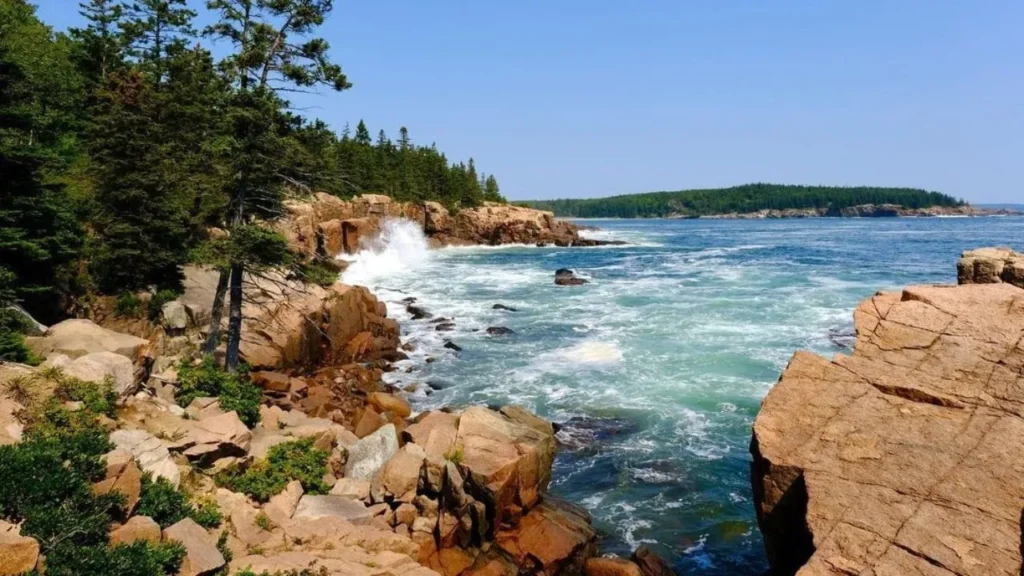
Acadia is the eastern anchor of the American national park system — the park that sits closest to the largest concentration of population on the East Coast, draws nearly four million visitors a year, and still manages to feel wild and intimate in ways that larger western parks sometimes don’t.
The park occupies most of Mount Desert Island off the Maine coast, and the combination of granite peaks, rocky shoreline, spruce forest, and tidal inlets is unlike anywhere else in the northeastern US. Cadillac Mountain — at 1,530 feet, the highest point on the US Atlantic coast — is the first place in the country to see sunrise for part of the year, and the predawn drive to the summit to watch the light come up over the Atlantic is an experience worth setting an alarm for.
Bar Harbor, the gateway town, is charming without being completely overrun (though summer weekends push it close). The town has good lobster shacks, excellent ice cream, and a waterfront where seal-watching boat tours operate from May through October.
The carriage roads — 45 miles of broken-stone roads built by John D. Rockefeller Jr. and closed to motorized vehicles — are the park’s secret weapon. Rent a bike in Bar Harbor and spend half a day riding the carriage roads through the interior of the park. The cycling is gentle, the scenery constant, and the crowds thinner than on the hiking trails.
Best visiting window: Late September through mid-October combines peak foliage, manageable crowds, and the crisp, clear coastal weather that Maine does better than anywhere. The lobster is also at its best in fall — cheaper, more plentiful, and sweeter than the summer harvest.
Have you visited Acadia in a shoulder season and found a side of the park that summer visitors miss? Share what you discovered in the comments — these off-peak tips are gold.
- Top 10 Places to Visit Around America
- Best Honeymoon Destinations in the United States
- Amazing Destinations In The United States
Where to Eat, Stay, and Get Around: Northern USA Insider Guide
The northern USA’s food geography follows a clear rule: the closer to a Great Lakes port city or a New England fishing town, the better the seafood. The closer to a college town or a neighborhood with strong immigrant communities, the more surprising and rewarding the everyday food.
In Chicago, eat in Pilsen and Logan Square, not just the tourist-friendly River North. In Seattle, the restaurant row that matters is in Capitol Hill and Ballard, not near Pike Place. In Boston, the North End and East Boston (the actual neighborhood where airport workers and longshoremen eat) offer the most honest and affordable Italian and Latin American food in the city.
For accommodation, the calculus across northern USA destinations is consistent: staying one neighborhood removed from the primary tourist zone saves 20–40% on accommodation with minimal impact on experience. In Boston, look at Somerville and Cambridge. In Chicago, Wicker Park and Logan Square have excellent boutique hotels at better rates than River North. In Seattle, Capitol Hill is walkable to everything and cheaper than Belltown.
Getting around requires a car for national park destinations and a mix of transit and walking for cities. Chicago’s L train, Boston’s T, and Seattle’s Link Light Rail are all legitimate ways to navigate those cities without a rental car. For anything outside city limits — Glacier, Yellowstone, Olympic, Acadia, Vermont — a car is essential.
Pro Tips and Common Mistakes First-Time Visitors Make
Book national park accommodation the day reservations open. For Glacier, Yellowstone, and Acadia, lodges inside or immediately adjacent to the parks sell out within minutes of reservation windows opening — typically six months in advance. Set a calendar reminder and have your credit card ready.
Don’t underestimate northern USA distances. The drive from Chicago to Glacier National Park is 18 hours. From Seattle to Yellowstone is 8 hours. These are manageable road trips, but they require honest planning. Don’t try to squeeze both into a week.
Dress in layers everywhere, especially in the mountains. Weather in Glacier and Yellowstone can shift from warm and sunny to 40°F and rainy within an hour, any month of the year. A packable rain layer and a mid-weight fleece are non-negotiable.
Bear safety in Glacier and Yellowstone is not optional. Carry bear spray any time you hike away from developed areas. Know how to use it. Hike in groups where possible. Make noise on the trail. The parks provide excellent safety information at entrance stations — read it.
Tipping culture: 18–20% at sit-down restaurants, $1–$2 per drink at bars, and $3–$5 per night for hotel housekeeping are standard across the northern US. Build it into your budget.
For current health and travel safety information, check the CDC Travelers’ Health page and travel.state.gov.
How to Plan Your Itinerary: By Travel Style
The Classic Northern Road Trip (2 weeks): Fly into Chicago (3 nights), drive up to Mackinac Island and the Upper Peninsula of Michigan (2 nights), continue to Minneapolis (2 nights), drive west across South Dakota’s Badlands and Wall Drug corridor (1 night), and finish in Yellowstone (3 nights). Fly out of Billings or Bozeman, Montana.
The Pacific Northwest Loop (10 days): Fly into Seattle (3 nights), ferry to the Olympic Peninsula for a loop of the park (2 nights), back through Seattle and north to the North Cascades (1 night), cross into Eastern Washington wine country (1 night), and return to Seattle.
New England Fall Foliage (7–10 days): Fly into Boston (2 nights), drive north through the White Mountains of New Hampshire (2 nights), loop through Vermont on Route 100 stopping in Stowe and Woodstock (3 nights), and end in Burlington, Vermont before flying home.
The Montana Wilderness Trip (10 days): Fly into Missoula (1 night), drive to Glacier National Park (3 nights), south through the Bob Marshall Wilderness corridor to Bozeman (2 nights), and into Yellowstone for the final stretch (3 nights). Fly out of Jackson Hole, Wyoming.
Budget Breakdown: What the Northern USA Actually Costs
| Category | Budget Traveler | Mid-Range | Luxury |
|---|---|---|---|
| Accommodation (per night) | $35–$80 (hostel/Airbnb/motel) | $110–$220 (hotel) | $280–$700+ (resort/lodge) |
| Food (per day) | $25–$45 (grocery, street food, diners) | $55–$90 (casual restaurants) | $130–$250+ (fine dining) |
| Local Transport (per day) | $5–$15 (city transit) | $25–$50 (Uber/rental car share) | $70–$150 (rental car + gas) |
| Activities (per day) | $0–$25 (parks, walking tours, free museums) | $30–$70 (museums, guided tours) | $100–$300+ (private guides, helicopter tours) |
| Daily Total | $65–$165 | $220–$430 | $580–$1,400+ |
Money-saving moves that work:
- The America the Beautiful Annual Pass ($80) covers entrance fees at all national parks for 12 months. If you visit more than two parks, it pays for itself.
- Many major cities in the northern US have free museum days — Chicago’s Art Institute is free on certain Thursday evenings, Boston’s MFA has free hours, and Seattle’s art museums have pay-what-you-wish Fridays.
- Eat lunch at the restaurant, dinner at the market. In New England especially, waterfront lobster pounds charge half what a sit-down restaurant does for the same product.
- Travel mid-week. Flights Tuesday through Thursday are consistently 15–25% cheaper than weekend departures.
- Camp in national park campgrounds instead of lodges. Sites in Glacier and Yellowstone cost $20–$30 per night with a recreation.gov reservation versus $200–$400 for in-park lodge rooms.
Frequently Asked Questions About Visiting the Northern USA
Q : How many days do I need to explore the northern USA properly?
Ans – The region is vast, so this depends entirely on what you want to see. A focused trip to one area — say, a week in the Pacific Northwest or ten days in the Montana national parks — gives you enough time to go deep rather than skim. For a broader cross-country northern sweep, three to four weeks is a realistic minimum if you want to do it without feeling rushed.
Q : What is the best northern USA destination for first-time visitors?
Ans – Chicago is the single most accessible, most rewarding entry point for first-timers. It combines world-class architecture, a diverse food scene, excellent museums, and a lakefront that rivals any in the world — all at a price point well below New York or San Francisco. From Chicago you can radiate out in any direction: east to New England, west to the Rockies, north to the Great Lakes.
Q : Is it safe to hike alone in the northern national parks?
Ans – Glacier and Yellowstone both have genuine wildlife hazards — grizzly bears and bison respectively — that require preparation rather than avoidance. Solo hikers should carry bear spray, make noise on trails, and check current wildlife activity reports at the visitor center before heading out. The parks are not dangerous if you take them seriously. Register your hiking plan with a ranger station before solo backcountry trips.
Q : When is the cheapest time to visit the northern USA?
Ans – November through March is the cheapest period in non-ski destinations. Cities like Chicago, Minneapolis, and Boston drop hotel rates significantly in winter. The trade-off is cold weather and shorter daylight. For a balance of affordability and good conditions, late September through October hits the sweet spot across most of the region.
Q : Do I need a car to explore the northern USA?
Ans – In the major cities — Chicago, Seattle, Boston, Minneapolis — no. Public transit is legitimate and often preferable. But for the national parks and any road-trip routing through Montana, Wyoming, Vermont, or the Olympic Peninsula, a car is essential. Most park destinations have no meaningful public transit connections.
Q : What should I pack for northern USA travel?
Ans – A packable waterproof jacket is non-negotiable for Seattle and the Pacific Northwest any time of year, and for the Rocky Mountain parks even in summer. Layers are essential everywhere — mornings in Glacier in August can be 35°F while afternoons reach 75°F. Comfortable walking shoes with real support will serve you better than fashionable sneakers in cities and far better on national park trails.
Top 10 Places to Visit in the Northern USA Final Thoughts
The top 10 places to visit in northern USA represent something broader than a list of landmarks. They represent a full argument for why this part of the country — so often flown over, so often assumed to be the boring part between the coasts — is where some of the most extraordinary American travel happens.
The wilderness here is genuinely wild. The cities are genuinely interesting. The food reflects the immigration patterns and agricultural traditions of regions that take pride in both. And the distances, which can seem daunting on a map, reveal themselves on the road to be part of the point — because in the northern US, what happens between destinations is often as good as the destinations themselves.
Plan the trip. Drive the roads. Get to the park before sunrise. Talk to the person at the next table. The northern United States will do the rest.
Which of these ten destinations is calling to you most right now? And is there a northern USA gem — a small town, a trail, a neighborhood restaurant — that you think belongs on this list? Leave a comment below. The best travel writing is always collaborative.
For current entry requirements and travel advisories, visit travel.state.gov. For health and vaccination information relevant to your destination, check the CDC Travelers’ Health page.